The 2026 Ford F-150 offers six distinct engine options, spanning from 325 hp up to 720 hp depending on the configuration you choose. That range is wider than any prior F-150 generation and covers everything from fuel-conscious daily driving to maximum towing at 13,500 lbs. This page breaks down every engine and drivetrain pairing across all trims, with current inventory available at Greg Hubler Ford in Muncie, IN.
No other full-size pickup in the segment gives buyers this many powertrain paths. The 2026 F-150 engine lineup covers six distinct configurations, each tuned for a different use case. You can pick a turbocharged V6 that manages 19 city / 25 highway mpg on the 2.7L, a full hybrid that pushes 570 lb-ft of torque from the 3.5L PowerBoost, or a supercharged V8 in the Raptor R that delivers 720 hp. The 10-speed SelectShift automatic transmission is standard across every engine, which means gear management stays consistent regardless of the powertrain you select.
Drivetrain choice is equally straightforward. Rear-wheel drive, or 4×2, is the standard configuration on XL, XLT, Lariat, King Ranch, and Platinum builds when ordered as such. Four-wheel drive, or 4×4, is standard on the Tremor and both Raptor variants, and it is available on all other trims. That flexibility means buyers in Muncie and across the Greg Hubler Ford footprint can configure a truck precisely for their terrain and workload.
This is the entry powertrain for XL and STX. It produces 325 hp at 5,000 rpm and 400 lb-ft of torque at 3,000 rpm. The twin-turbo setup pushes boost low in the rev range, so the pull is immediate rather than building gradually.
The 5.0L produces 400 hp at 6,000 rpm and 410 lb-ft of torque at 4,250 rpm. It runs on regular unleaded or E85, giving owners fuel flexibility that neither EcoBoost engine matches at this output level.
This is the high-output turbocharged V6 for buyers who want the most torque from a non-hybrid, non-Raptor build. It makes 400 hp at 6,000 rpm and 500 lb-ft of torque at 3,100 rpm.
The PowerBoost pairs the 3.5L EcoBoost with an electric motor integrated into the 10-speed automatic transmission. Combined output is 420 hp and 570 lb-ft of torque at 3,000 rpm.
The Raptor gets a unique high-output version of the 3.5L EcoBoost. It produces 450 hp at 5,850 rpm and 510 lb-ft of torque at 3,000 rpm, and it requires premium unleaded fuel.
The Raptor R sits at the top of the lineup. Its 5.2L supercharged V8 produces 720 hp at 6,650 rpm and 640 lb-ft of torque at 4,250 rpm.
| Engine | Horsepower | Torque | Trim Availability | Key Benefit |
|---|---|---|---|---|
| 2.7L Twin-Turbo EcoBoost V6 | 325 hp | 400 lb-ft | XL, STX, XLT | Strong base torque with efficient daily drivability |
| 5.0L Ti-VCT V8 | 400 hp | 410 lb-ft | XL through Platinum, select configurations | Traditional V8 power with E85 capability |
| 3.5L EcoBoost V6 | 400 hp | 500 lb-ft | XLT through Platinum, Tremor | High non-hybrid torque and strong towing capability |
| 3.5L PowerBoost Full Hybrid V6 | 420 hp combined | 570 lb-ft | XLT, Lariat, King Ranch, Platinum | Hybrid torque with available 7.2 kW Pro Power Onboard |
| High-Output 3.5L Twin-Turbo EcoBoost V6 | 450 hp | 510 lb-ft | Raptor | High-speed off-road performance with FOX Racing Shox |
| 5.2L Supercharged V8 | 720 hp | 640 lb-ft | Raptor R | Maximum F-150 performance output |
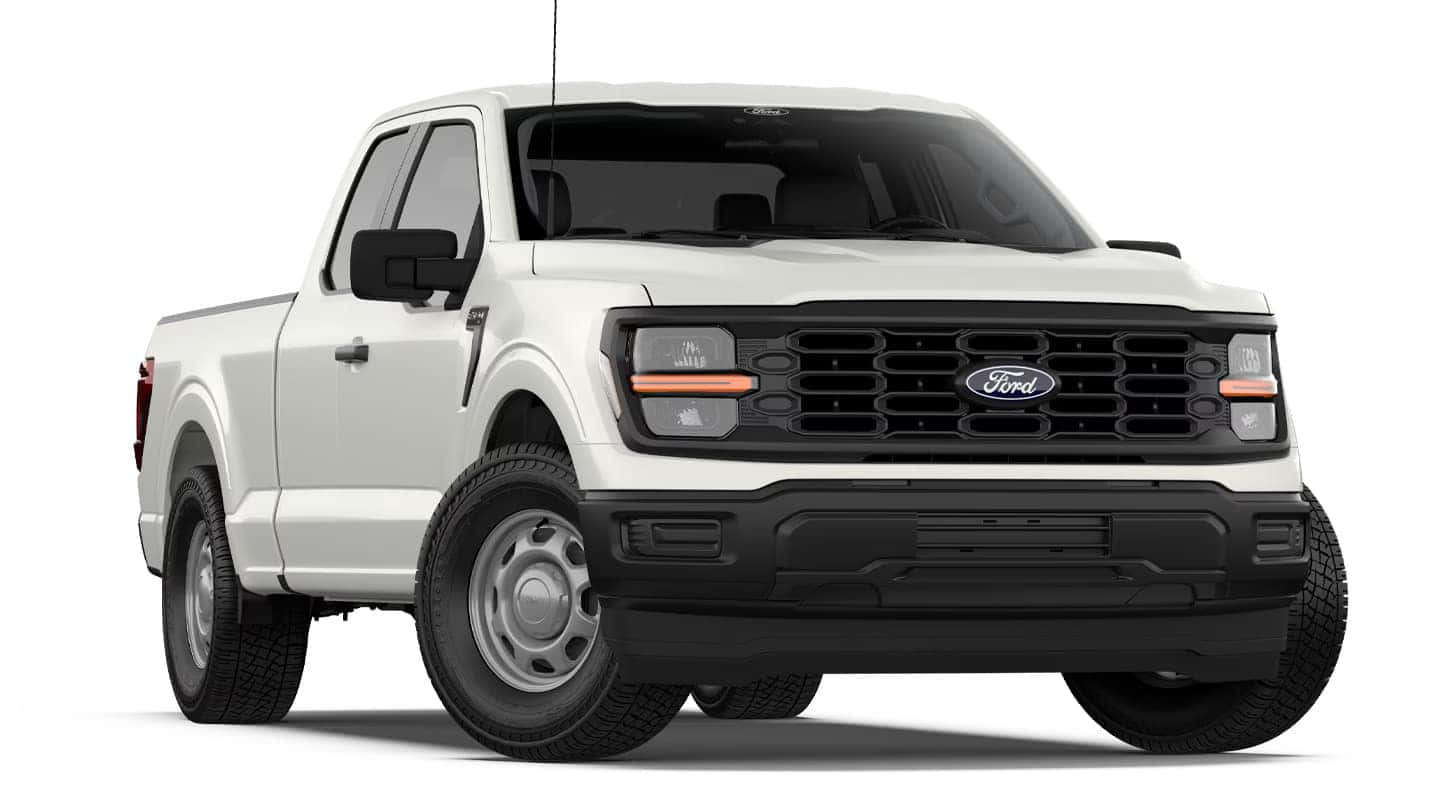
XL receives the 2.7L EcoBoost V6 as standard. It is available in Regular Cab, SuperCab, and SuperCrew configurations with 4×2 or 4×4 drivetrains across multiple box lengths.
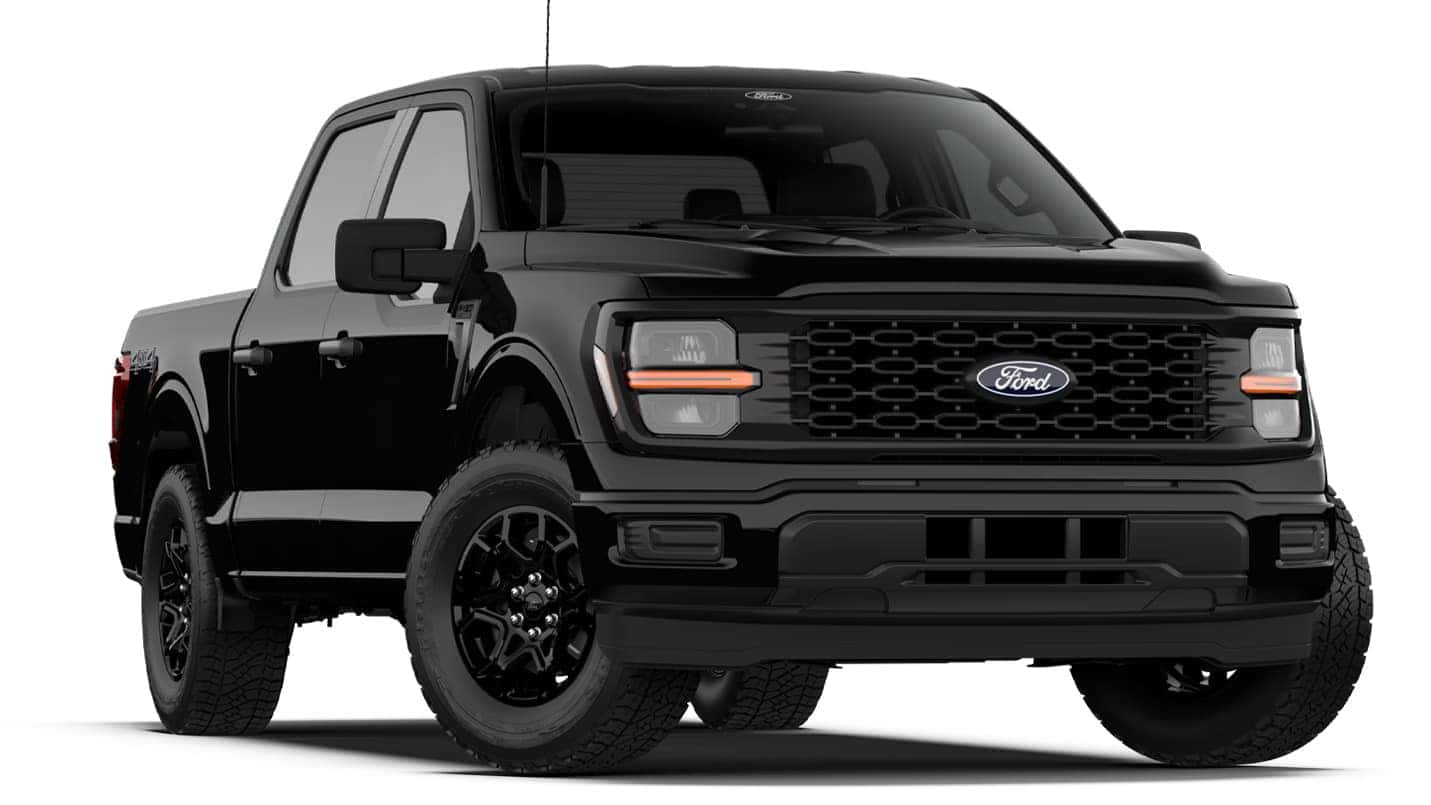
STX is paired with the 2.7L EcoBoost V6 and is offered exclusively in 4WD SuperCrew with a 5.5-ft box.
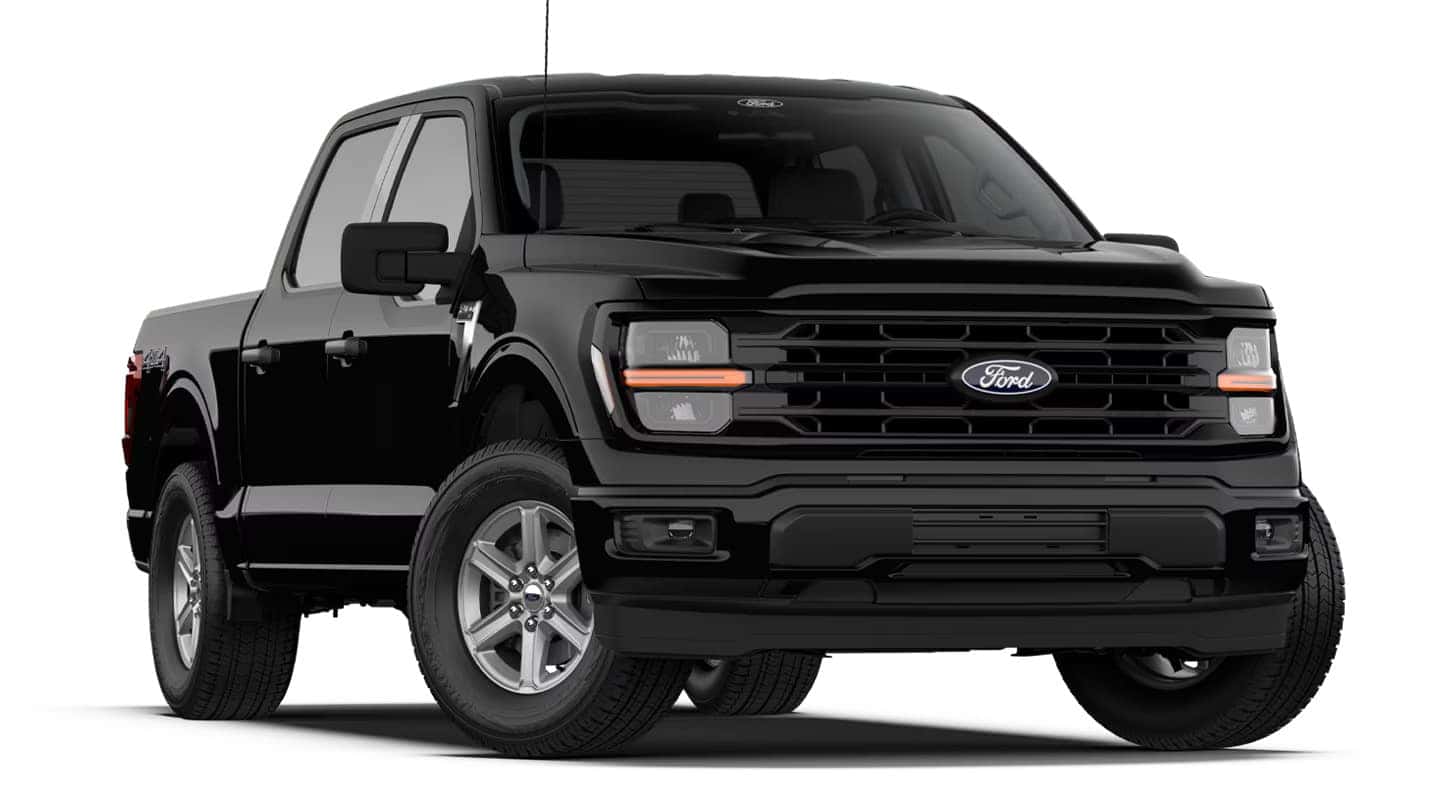
XLT opens up the 5.0L V8, the 3.5L EcoBoost V6, and the 3.5L PowerBoost Hybrid as options alongside the 2.7L base engine. BlueCruise hands-free highway driving is available on select XLT models.
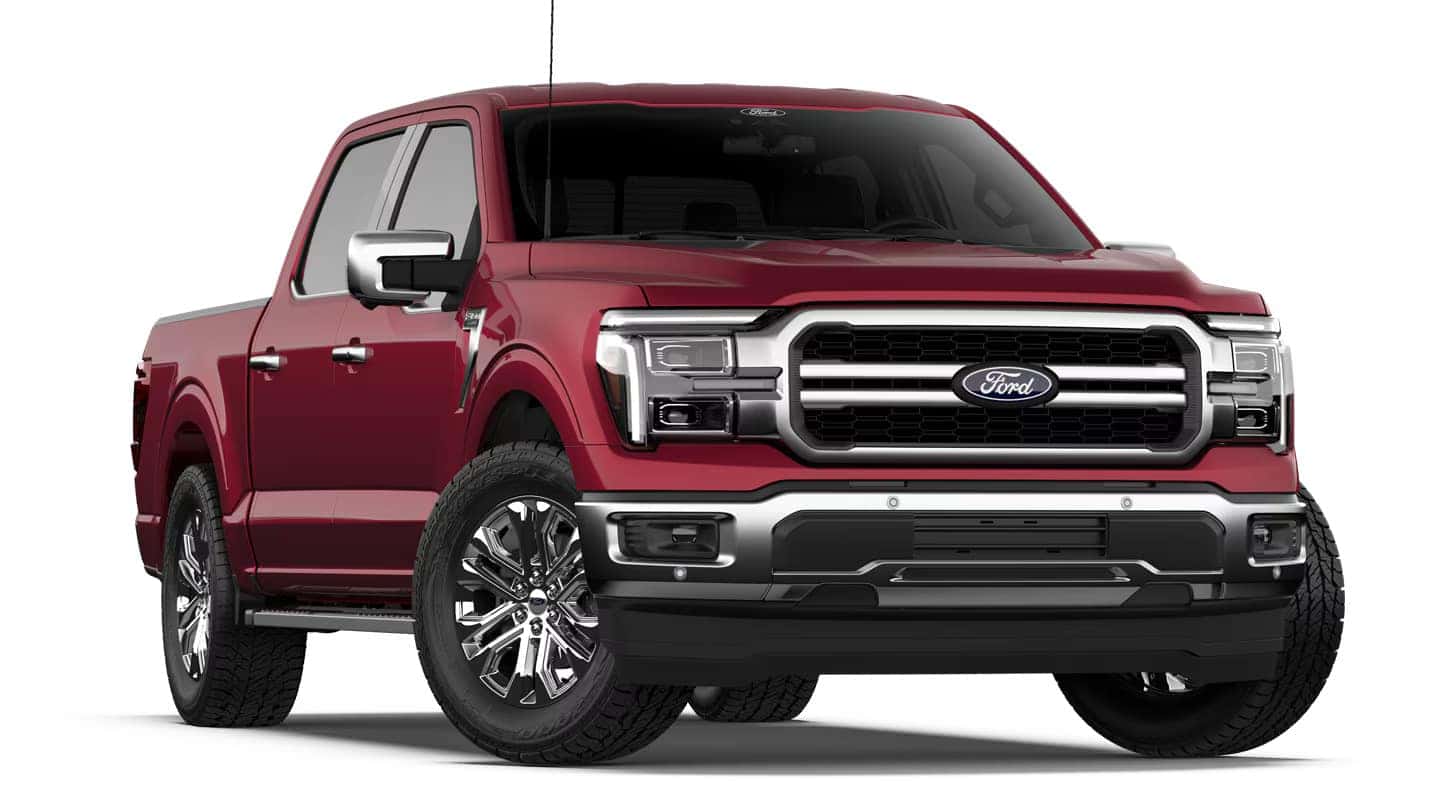
Lariat drops the 2.7L and focuses on the 5.0L V8, 3.5L EcoBoost V6, and 3.5L PowerBoost Hybrid. The Hybrid-Electronic 10-Speed transmission is available here. Ford BlueCruise is standard on Lariat.
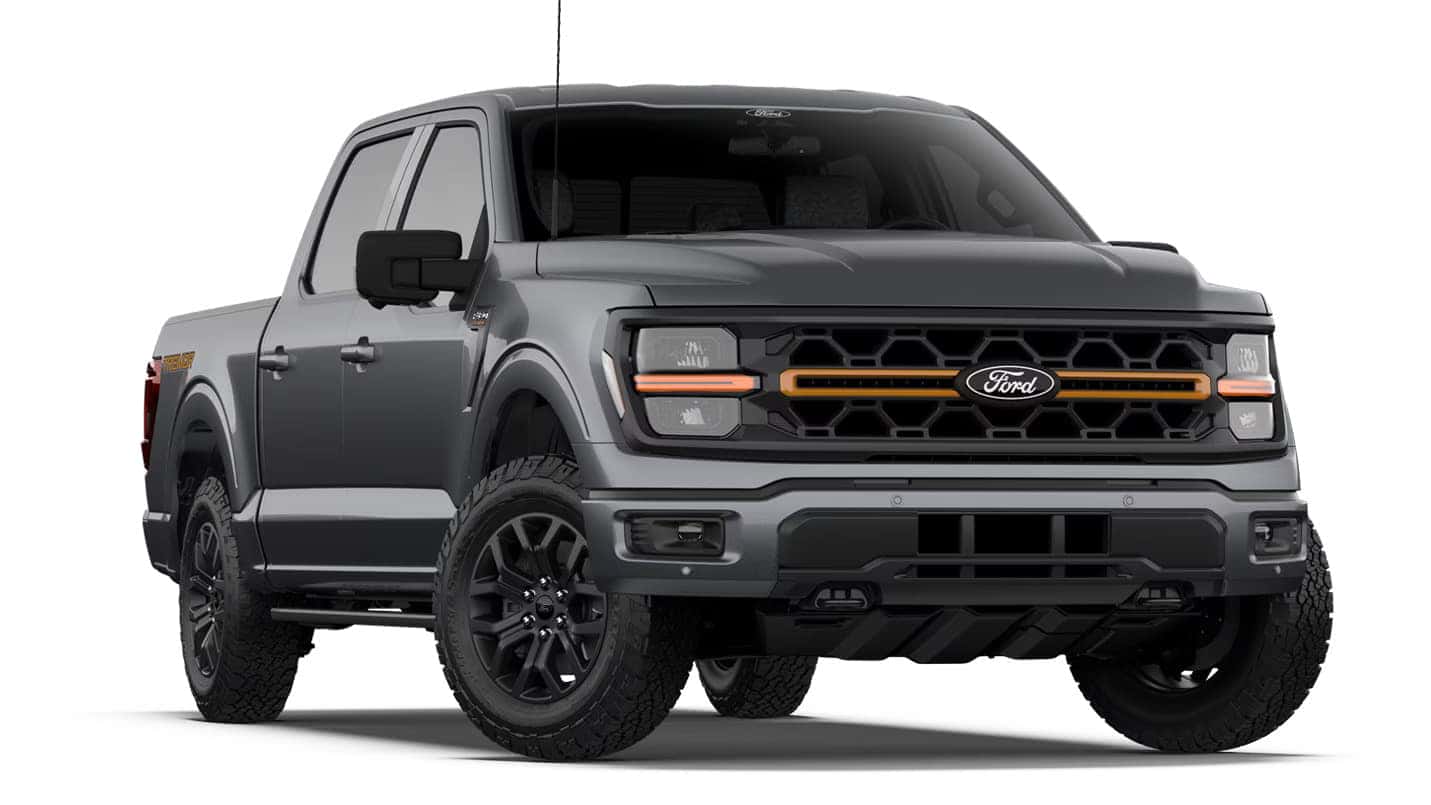
Tremor is 4×4 exclusive and pairs with the 3.5L EcoBoost V6. It carries a 3.73 axle ratio and a maximum tow rating of 10,200 lbs in its standard configuration.
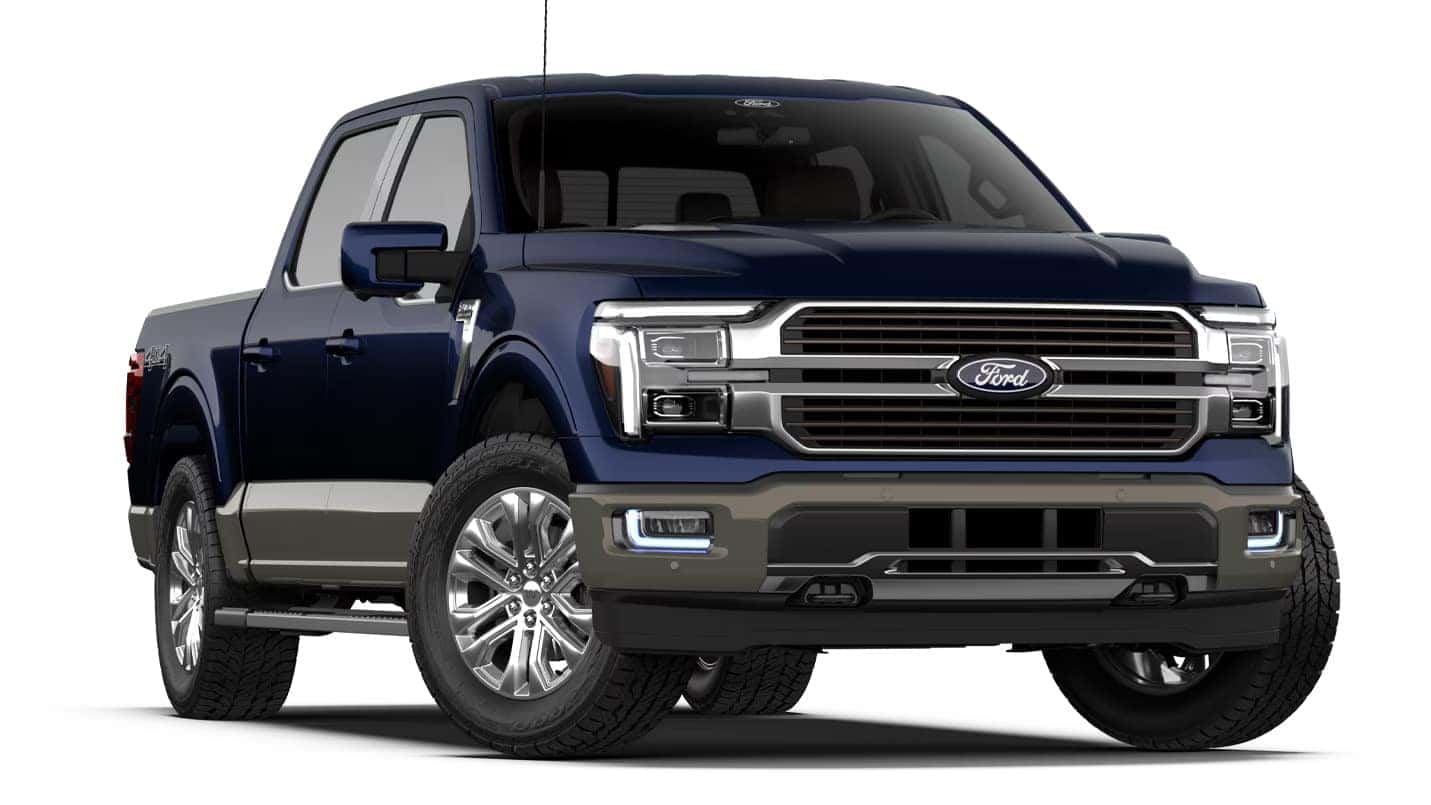
King Ranch and Platinum offer the 3.5L EcoBoost V6 and the 3.5L PowerBoost Full Hybrid, with the Hybrid-Electronic 10-Speed automatic as standard on both. BlueCruise is standard on both trims.
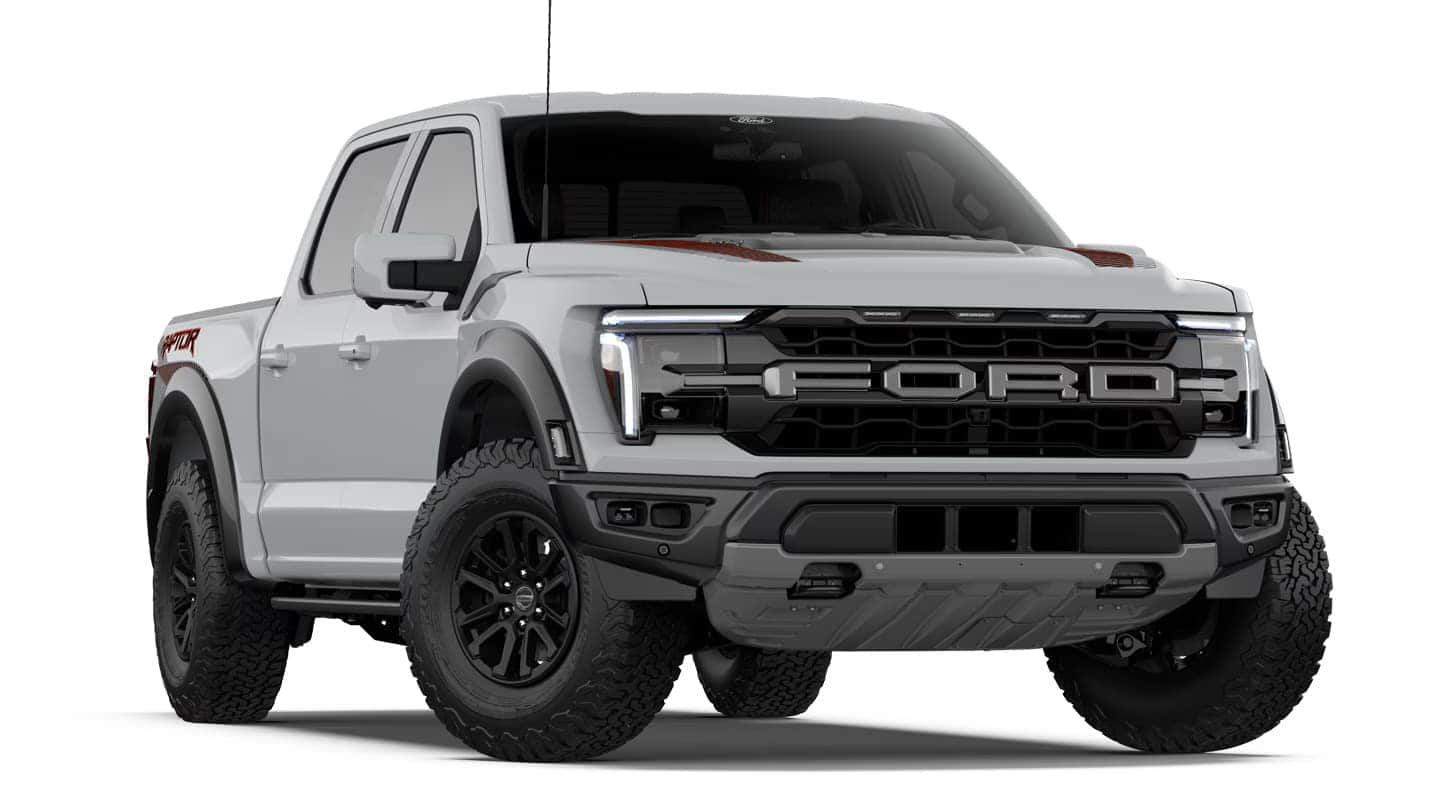
Raptor is 4WD-only with the High-Output 3.5L EcoBoost V6 as the standard engine. The optional 37 Performance Package adds a performance suspension tune and increases GVWR to 7,300 lbs.
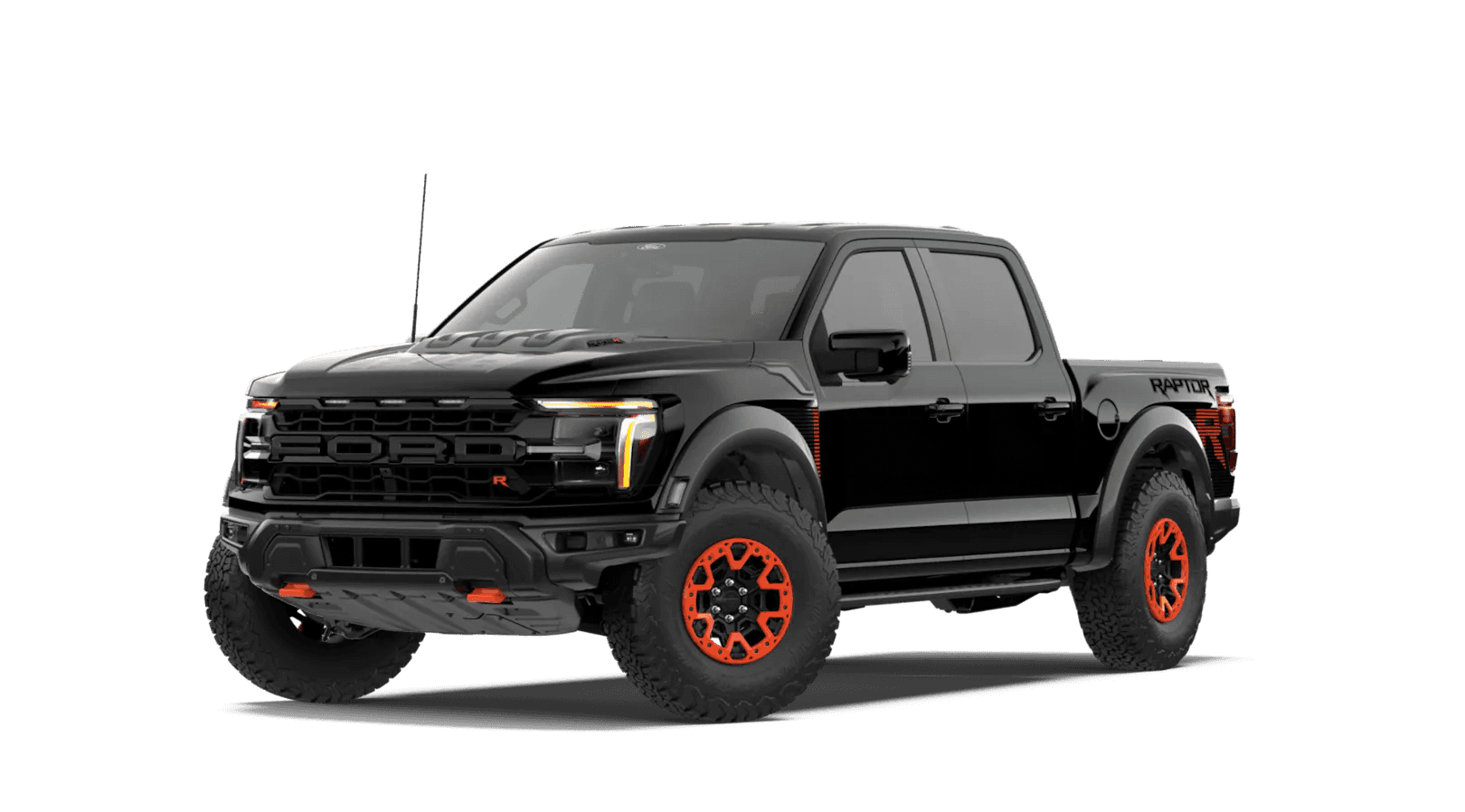
Raptor R uses the 5.2L Supercharged V8 exclusively, pairs it with 4×4, and sits at 5,950 lbs curb weight in SuperCrew 5.5-ft box form.
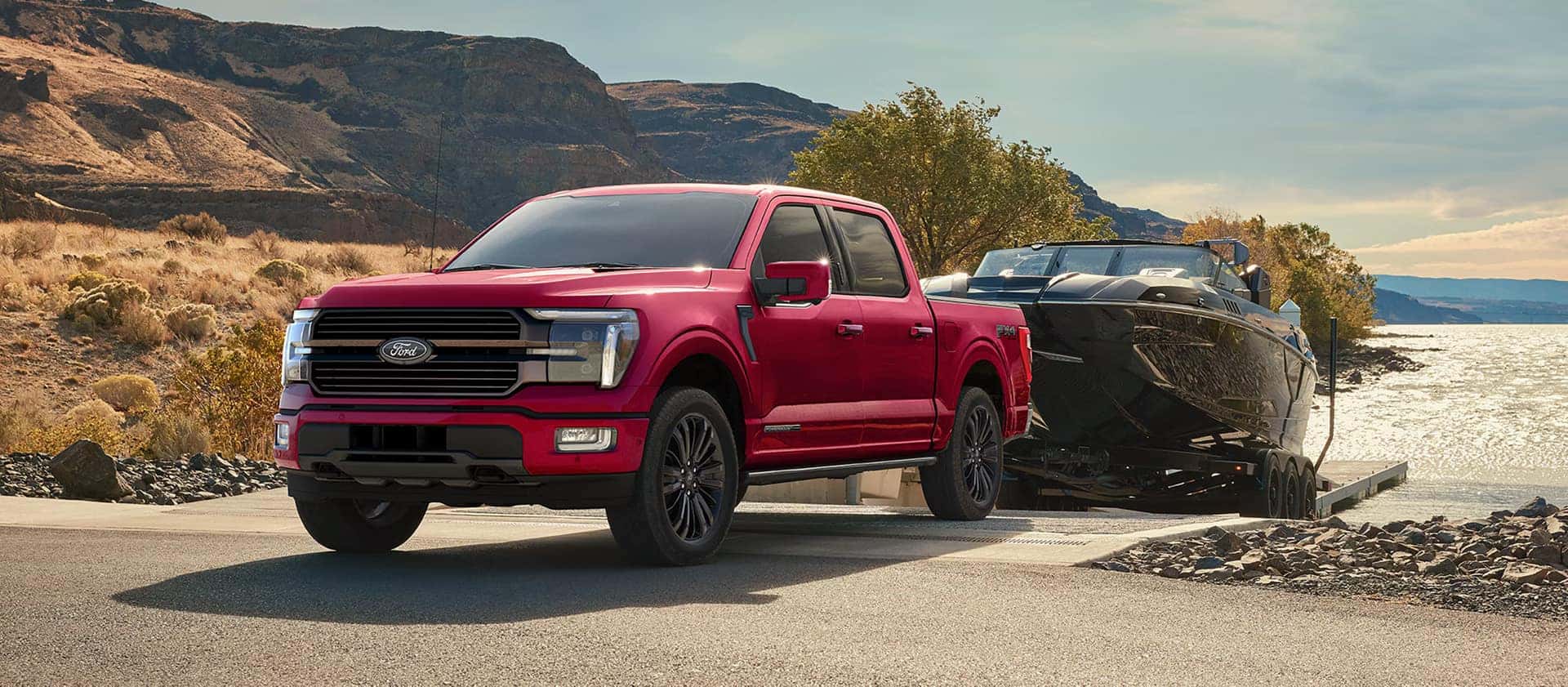
Choosing the 2.7L EcoBoost means you get meaningful towing capability without giving up fuel economy during the daily commute in and around Muncie. The 400 lb-ft torque figure arrives at just 3,000 rpm, so merging onto I-69 with a loaded bed does not require winding the engine out.
The 5.0L V8 serves owners who prioritize E85 flexibility or who simply prefer the power delivery character of a naturally aspirated V8. At a combined 400 hp and 410 lb-ft, it handles hauling work without turbo lag as a variable.
The 3.5L PowerBoost Hybrid’s real-world draw is the 7.2 kW Pro Power Onboard output. That is enough to run a table saw, air compressor, or a job-site lighting setup directly from the bed without a generator. For contractors operating out of Muncie or surrounding areas, that is a genuine operating cost reduction.
The Raptor and Raptor R powertrains serve buyers who use the truck for off-road and high-speed desert running. The 12.0-inch ground clearance on the Raptor R, combined with electronically controlled FOX dampers, makes the powertrain figures meaningful in the field rather than just on a spec sheet.
No competitor in the full-size truck segment currently offers six distinct engine configurations on a single platform. Most rivals top out at three or four powertrain options. The F-150’s hybrid option, the PowerBoost, is one of the only full hybrid systems in the segment that preserves towing capability above 10,000 lbs while still delivering improved fuel economy.
The 720 hp Raptor R supercharged V8 has no direct factory equivalent from Ram or Chevy in the same price tier. On the other end, the 2.7L EcoBoost’s 400 lb-ft of torque at 3,000 rpm gives it capability that competes with larger-displacement base engines from GM and Stellantis.
Greg Hubler Ford carries 2026 F-150 inventory across the trim range in Muncie, IN. Whether you are building toward the PowerBoost Hybrid’s job-site power output or working through Raptor configurations, the team can walk through every engine and drivetrain combination with you in person. Check current inventory, get a trade value, or set up a test drive using the links below.
Six engines are available: the 2.7L Twin-Turbo EcoBoost V6, the 5.0L Ti-VCT V8, the 3.5L EcoBoost V6, the 3.5L PowerBoost Full Hybrid V6, the High-Output 3.5L Twin-Turbo EcoBoost V6, and the 5.2L Supercharged V8.
The 5.2L Supercharged V8 in the Raptor R produces 640 lb-ft of torque at 4,250 rpm, which is the highest figure in the lineup. The 3.5L PowerBoost Full Hybrid produces 570 lb-ft of combined system torque at 3,000 rpm, the highest of any non-Raptor configuration.
Four-wheel drive is available on all trims and is standard on the Tremor and both Raptor configurations. On XL, STX, XLT, Lariat, King Ranch, and Platinum, buyers can choose between 4×2 and 4×4.
Maximum conventional towing reaches 13,500 lbs when properly configured. The PowerBoost Hybrid’s maximum towing is 12,400 lbs. Actual capacity varies by engine, axle ratio, cab style, and configuration.
The 3.5L PowerBoost Full Hybrid V6 is available on XLT and Lariat, and it is standard on King Ranch and Platinum. It is not available on XL, STX, Tremor, or Raptor trims.
Yes. The base 2.7L Twin-Turbo EcoBoost V6 produces 400 lb-ft of torque at 3,000 rpm and supports towing up to 13,500 lbs when properly configured with the correct axle ratio and tow package.
The Raptor’s High-Output 3.5L EcoBoost V6 requires premium unleaded fuel. The Raptor R’s 5.2L Supercharged V8 also requires premium unleaded. All other F-150 engines run on regular unleaded, and the 5.0L V8 additionally accepts E85.




