Dually Maintenance and Fleet Upkeep
Every 10,000 miles is the standard interval for routine fluid replacements and tire rotations. This specific timeline applies to dual rear wheel configurations operating under heavy commercial hauling conditions. Keep your fleet running efficiently by booking an appointment at our certified Muncie service center.
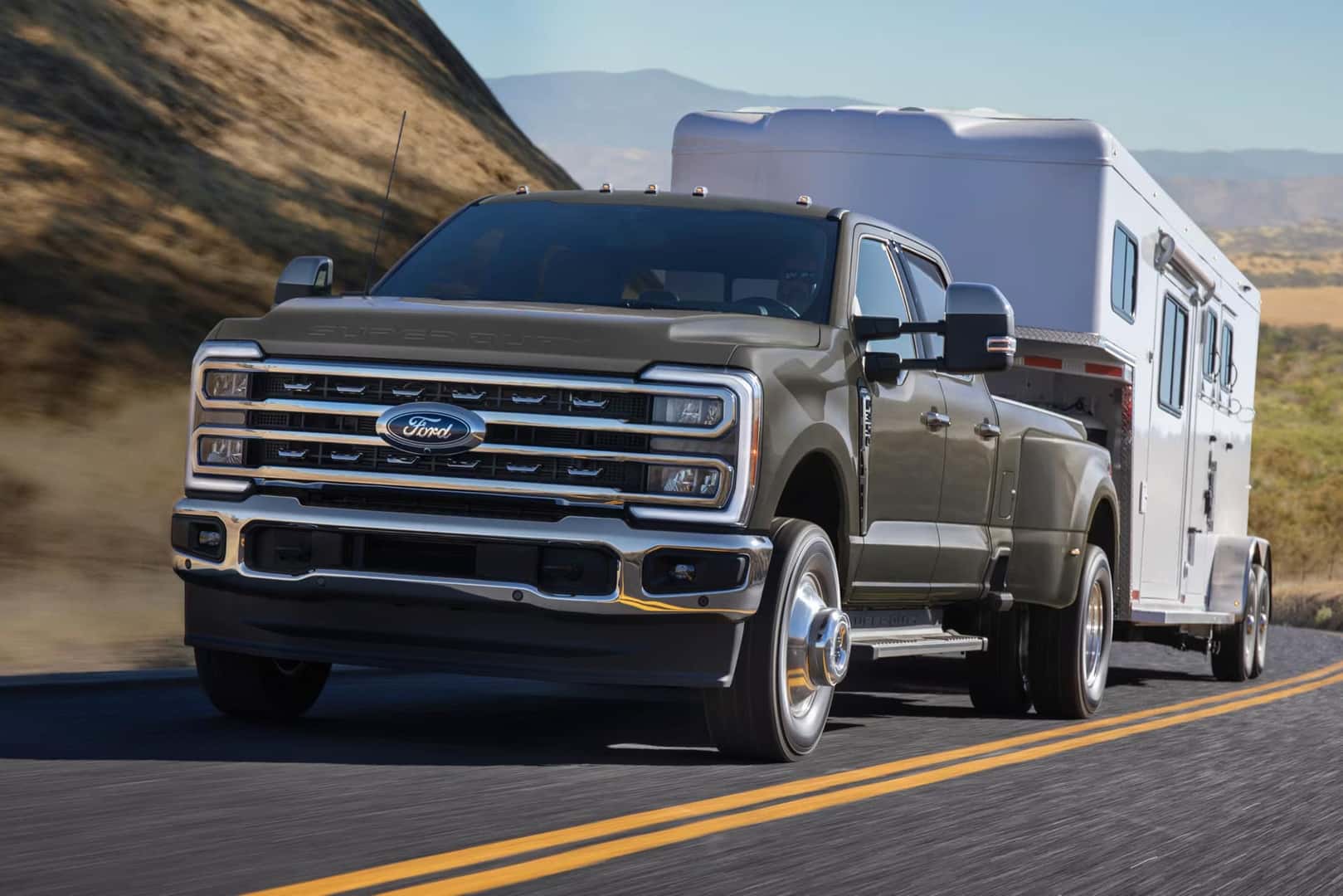
Operating a Dual Rear Wheel (DRW) truck introduces unique upkeep requirements compared to standard pickups. Because you have four tires on the rear axle and two on the front, managing tread wear is significantly more complex. If you skip routine 6-tire rotations, the inner rear tires often wear down much faster than the outer tires due to uneven road crowning and heavy payload compression.
By systematically rotating all six tires front-to-back and side-to-side every 10,000 miles, you ensure the tread wears evenly across the entire vehicle. This strict rotation pattern maximizes the lifespan of expensive commercial tires and prevents catastrophic blowouts when hauling heavy equipment down I-69. To understand how the DRW axle integrates with the available powertrains, read our comprehensive 2026 Ford Super Duty overview at Greg Hubler Ford.

As your commercial truck accumulates mileage across Delaware County job sites, specific hardware pieces require periodic replacement to maintain peak capability. Following these factory guidelines protects your business investment.
| Mileage Marker | Required Maintenance | Real-World Application |
|---|---|---|
| 10,000 Miles | 6-Tire rotation and fluid inspection | Combats uneven inner tread wear and protects the engine from heat damage. |
| 20,000 Miles | Cabin air filter replacement | Blocks Muncie construction dust and spring pollen from entering your climate vents. |
| 30,000 Miles | Engine air filter replacement | Protects the turbochargers from ingesting harmful debris generated on agricultural sites. |
When your commercial vehicle reaches the 30,000-mile mark, your business fleet needs may have expanded. This major interval is an excellent time to check your current vehicle trade-in value if you are considering adding additional chassis cab trucks to your operation.
If your heavy-duty truck utilizes a diesel engine, maintaining the Diesel Particulate Filter (DPF) is absolutely critical. The DPF traps harmful soot from the exhaust. During normal highway driving, the exhaust gets hot enough to automatically burn off this soot. However, if your truck spends long hours idling at a Muncie construction site, the filter can clog. Operators must perform occasional manual exhaust regeneration cycles to burn off the trapped particulate matter, preventing severe engine power loss.
Furthermore, towing massive 5th-wheel campers or multi-horse trailers places immense physical stress on your braking hardware. Commercial drivers must have their heavy-duty brake pad thickness inspected much more frequently than standard commuters. Fresh, thick brake pads ensure you maintain the aggressive stopping power required for sudden highway emergencies while pulling a 30,000-pound load. You can view the complete list of severe duty commercial service schedules directly on the official Ford owner support portal. Additionally, fleet managers should periodically verify their specific VINs through the NHTSA national recall database to ensure their commercial vehicles meet all federal safety standards.
Keep your business moving forward. Our factory-trained commercial technicians are equipped to handle complex DPF maintenance and 6-tire Dually rotations.